

12 Lagers To Try And 6 To Skip In 2026
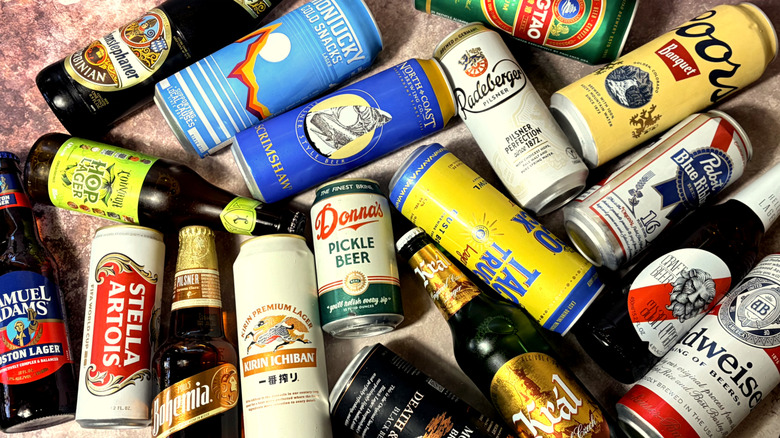
Whether you're a casual or devoutly serious beer drinker, you've more than likely enjoyed a lager. Differentiated from ale by fermentation temperature, time, and the type of yeast used, lagers come in many shades and styles and are known for their crisp, cool character. In the modern era, lagers are more dominant than ales on the world stage, with powerhouse macrobreweries flooding shelves with easy-drinking brews that are household names. It's not just these big dogs that are lager-focused these days — craft brewers have embraced the lager category in recent years, too, bolstering its popularity even further.
Within the lager category, there are at least 40 subcategories, each with its own particular profile. While it's easy enough to roll into your local bar and order a Bud, if you're looking to branch out and try something new, the sheer vastness of the lager world can make that a daunting task. That's how I found myself recently at a local bottle shop, staring at a never-ending wall of bottles and cans, frozen with indecision. The only solution, I thought, would be to try as many different lagers as I could get my hands on, and figure out which beers I'd come back for. I ended up with 18 lagers from around the world, and then I put my professional beer-tasting skills to the test — here are the hits and misses.
Try: Bohemia Pilsner
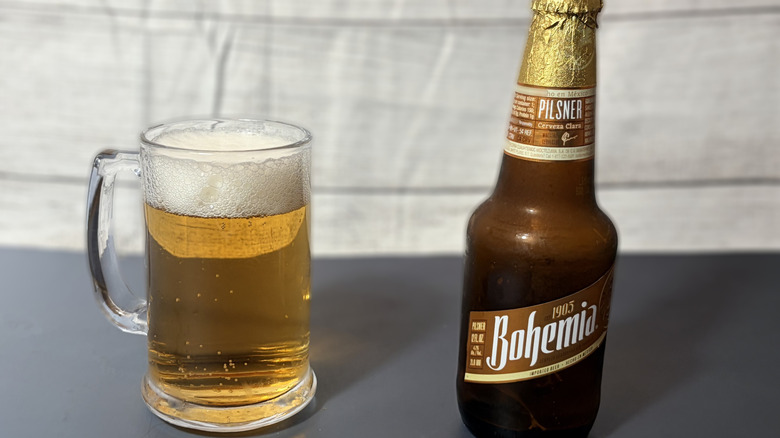
I recently ranked a dozen Mexican lagers, and Bohemia Pilsner came out on top. True to its name, it's inspired by a classic beer style from the Czech Republic, but it's also unmistakably a Mexican lager with its crisp and easy drinkability. What differentiates Bohemia from many of its counterparts is the stronger hop presence, which adds fresh herbal notes to the aromatics and a slight bitter finish to balance the sweet malt.
If you're used to Mexican lagers that are light and simple, Bohemia may surprise you with its complexity and depth of flavor. It's a beautifully balanced beer that deftly melds two cultures and two styles together, keeping the essences of both while crafting something with a personality all its own. I generally reach for Mexican lagers in specific situations: hot days, summer cookouts, pool parties, that kind of thing. Bohemia Pilsner, however, doesn't need a specific setting. It's great anytime, anywhere, but perhaps shines brightest when paired with chicharrones.
Try: Radeberger Pilsner
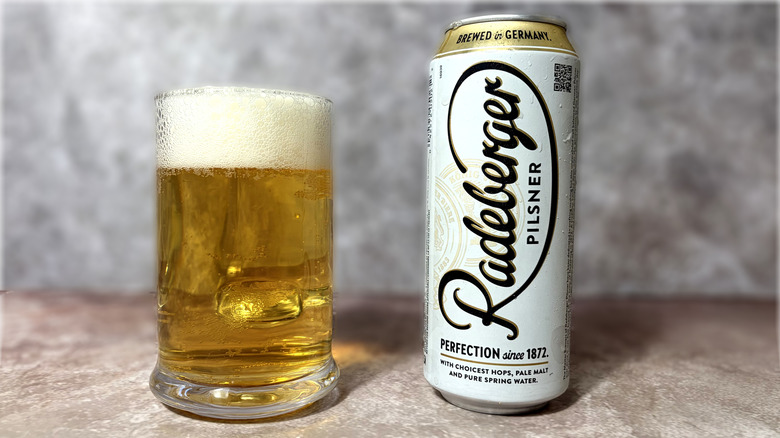
If you read descriptions of what a classic German Pilsner (often shortened to Pils to distinguish it from the Czech version) should look, smell, and taste like, that's Radeberger. It's a textbook example of the style. The meringue-like foam head sticks around for a long time, leaving lots of lacing on the glass. Aromatically, the combination of bready malt and fresh hops offers an inviting introduction to the crisply sharp, lively, and angular palate.
Radeberger Pils manages to be a light and refreshing beer that also exhibits complexity and depth. It's wonderfully precise, with a razor-sharp spicy and bitter finish that lingers long after each sip. A burst of tart, bright citrus on the palate gives this beer a thirst-quenching quality, and I imagine it would make a welcome companion to classic German foods like schnitzel and salty pretzels. Not that it needs food to shine — Radeberger Pils is delightful on its own.
Try: Dust Bowl Taco Truck Lager
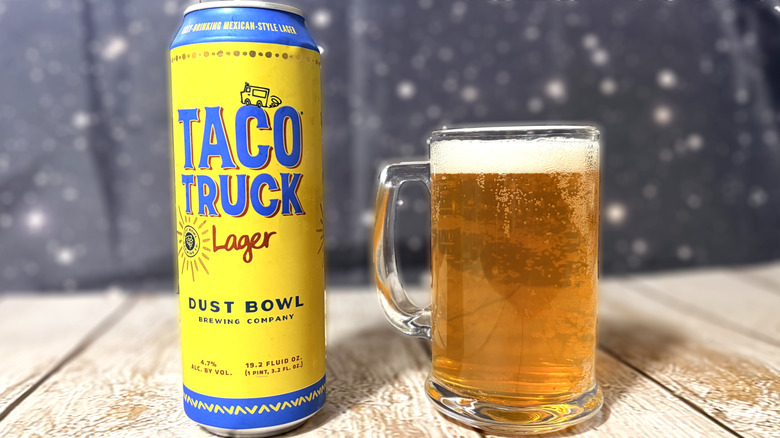
Mexican-style lagers are popping up everywhere lately, and one of the more fun craft offerings I've tried is the Taco Truck Lager from Dust Bowl, based in Turlock, California. The brewery now has a whole line of Taco Truck variations, like lime and amber, but it's the original that still hits the spot for me.
This beer is the definition of mellow. It manages to be mild and easygoing without being flat or boring. The additions of flaked oats, which are much more common in richer beers like stouts, as well as white wheat, give this lager a soft, smooth, rich mouthfeel that's well-balanced by crisp carbonation to make it about as easy-drinking as they come. It's like a laid-back summer in a can.
Try: Pabst Blue Ribbon
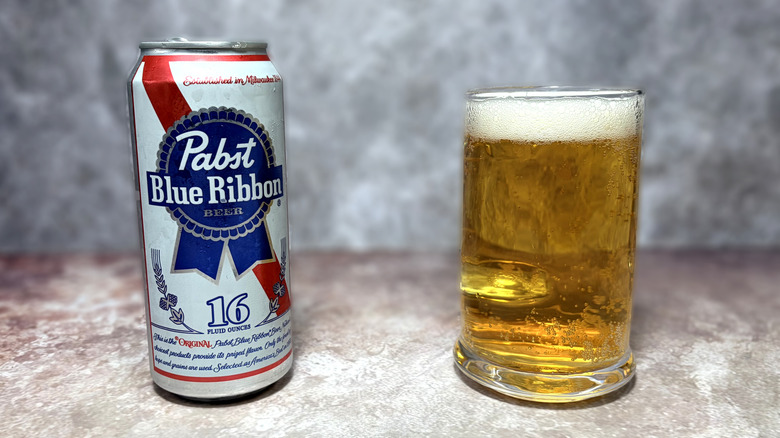
Before anyone accuses me of hating on macro beers, I'm here to tell you that I'm a fan of Pabst Blue Ribbon. While its early 2000s hipster revitalization era has come and gone, and it's currently something of a ghost brand brewing out of mega-corporation Anheuser-Busch InBev's facilities (and that's after decades of being brewed by Molson Coors), it's still my go-to cheap American lager.
Drinking this side-by-side with other similar beers from the major macrobreweries made me realize that it's not just blind brand loyalty or marketing. PBR is truly a superior beer. No off-flavors, no weird mouth-coating texture, and no funky aftertaste seem like a low bar to clear, but here we are. In addition to what it's missing, it also has a good balance of sweetness and bitterness, enough carbonation to keep things energized, and a crisp, lip-smacking finish.
Try: North Coast Scrimshaw Pilsner
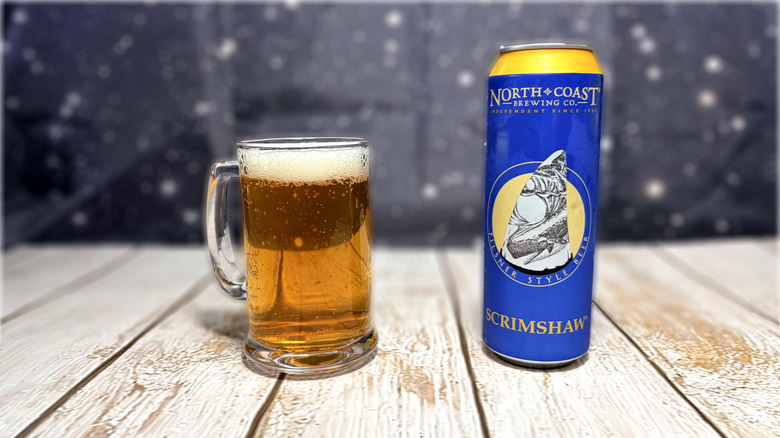
Between Bohemia, Radeberger, and now Scrimshaw, I guess I've got a thing for pilsners. All three of these are quite different examples and bring unique personalities to the basic style. While Bohemia is based on Czech tradition, North Coast's Scrimshaw is patterned after German pilsners like the Radeberger.
This beer is slightly softer and less intensely hoppy than its German counterpart, but still has the same DNA. It's clean, crisp, focused, and balanced, with fresh grassy and spicy hop aromas complemented by a lightly honeyed maltiness. Carbonation and foam weren't quite as intense as the Radeberger, but think of Scrimshaw as a German pilsner's chilled-out California cousin, and you'll get the picture.
Try: Weihenstephaner Korbinian
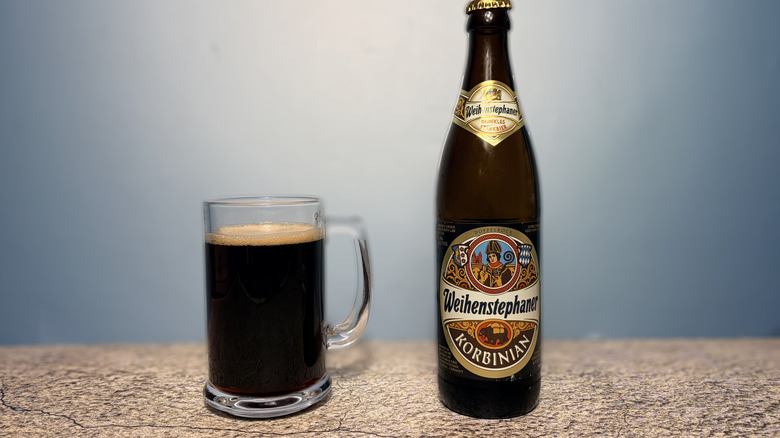
I'm going to go ahead and say right off the bat that Brewery Weihenstephan makes some of my favorite beers of all time, as it should, being that it's considered the oldest brewery in the world. Of the many classic German beers brewed here, the most stunningly impressive, in my opinion, is the doppelbock. Named Korbinian after the saint who founded the monastery in the year 725, this beer is a stellar example of the style.
Doppelbock is one of the richest, maltiest lagers you can find, especially the dark versions like this one that seem to have endless layers of flavor and texture. Pumpernickel bread, toasted walnuts, and a melange of savory spices enhance stewed and baked deep fruit flavors. All of this intensity is present inside a lager package, so the beer is still crisp with a precise structure.
Try: Kirin Ichiban
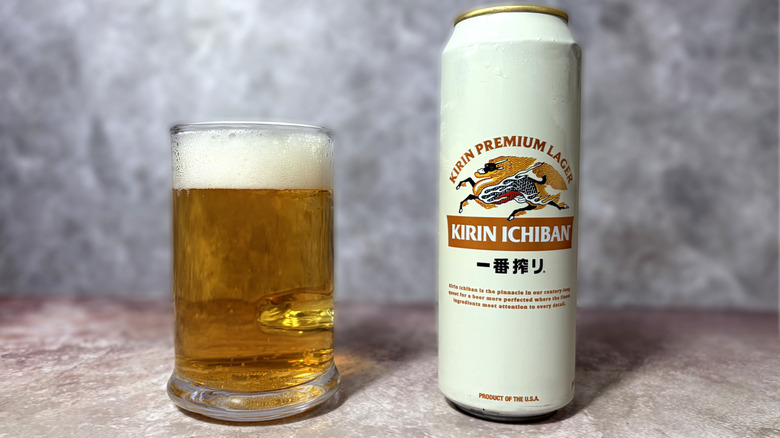
I've really been on the fence with this one. Although Kirin Ichiban is a decent beer and I wouldn't kick it to the curb, I couldn't fall in love with it. It's better than most of the big-name, globally available macrobrews on this list, though, and it's fairly mellow with no detectable flaws. In the end, this is sort of a middle-of-the-road situation. I'm not going to hurt myself trying to track this beer down, but it's enjoyable enough that I'd have it again.
Everything about this beer is subtle. A little bit of malt, a little bit of hops, somewhat sweet and somewhat crisp — nothing stands out. I went back and forth on trying to decide if that meant this beer was boring or balanced. Eventually, I landed on balanced.
Try: Moonlight Brewing Death & Taxes
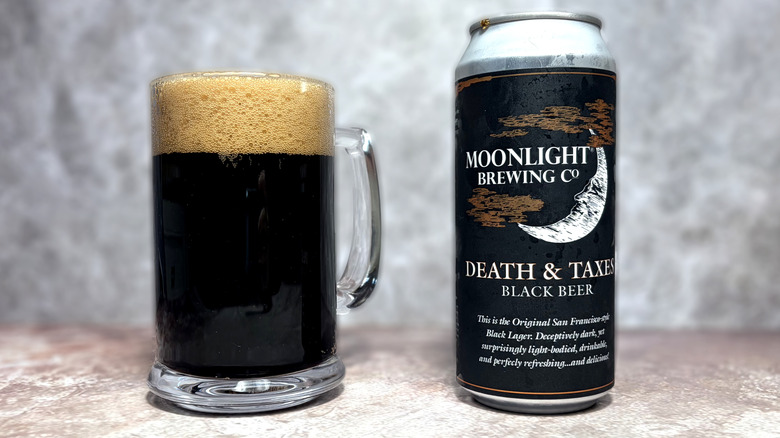
What can I say about Moonlight's Death & Taxes that hasn't already been said (by myself and my beer geek friends)? This is a prime example of a black lager, with every element in just the right place and at the right level. This Santa Rosa, California brewery produces a lot of fantastic beers, but Death & Taxes may just be its best.
Pouring this beer into a glass produced a creamy, thick foam head that looked like whipped cream. The crisp, light mouthfeel and robust carbonation make this lager a refreshing and lively brew, and it has a chocolatey, charred dark flavor profile with a ton of dimension. I could drink this lager every day and not get sick of it.
Try: Louvada HopLager
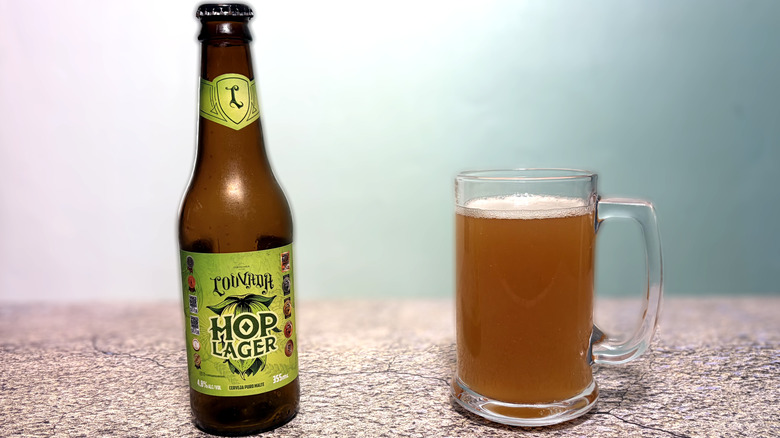
One of the stranger beers on this list, Louvada's HopLager seems to have a bit of a split personality. I wasn't sure how I felt about it at first, but I've never had another lager quite like it, so it's definitely worth a try. This Brazilian beer matches the crisp, structured personality of a lager with the aromatic intensity of an IPA, minus the strong bitterness.
There's still some hoppy bitterness, but the maltiness edges it out, which puts this beer firmly in the lager camp despite its aromatic profile. The aromas are so intoxicating, with a floral and tropical perfume, that I found this beer more and more intriguing as I drank it. There's an interesting combination of styles here that seems like it shouldn't work, but does.
Try: Shavi Lomi Helles
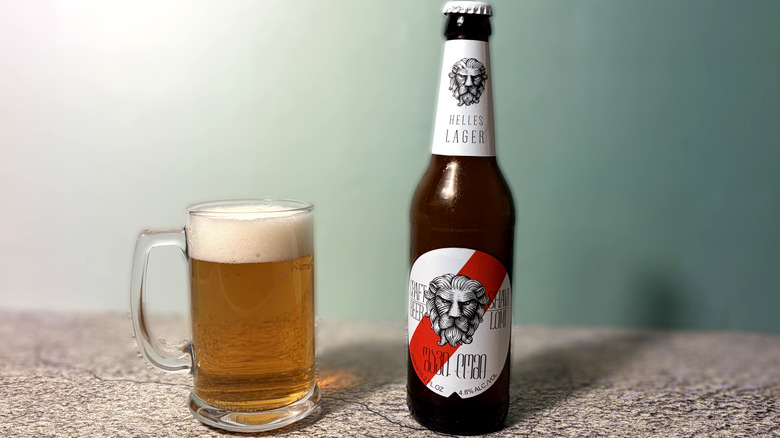
I'm a massive fan of wines from the country of Georgia, particularly their amber wines that are aged in earthen vessels called qvevri. I'm less familiar with the beer scene there, so I was very excited to find this lager, which is brewed in the country's capital city of Tbilisi. Shavi Lomi, which is Georgian for Black Lion, is a Helles-style lager, which is typically malty and smooth.
Shavi Lomi is a mellow, easy-drinking example of a European Helles beer. A bit of honey and hay on the nose are echoed on the palate with a subtle yeasty bread note. As is typical of the style, there's not much hop presence, but there's enough to balance things out. A round mouthfeel and soft, smooth finish make this a pleasant brew. I'm excited to try more beers from Georgia after enjoying Shavi Lomi.
Try: Montucky Cold Snacks Lager
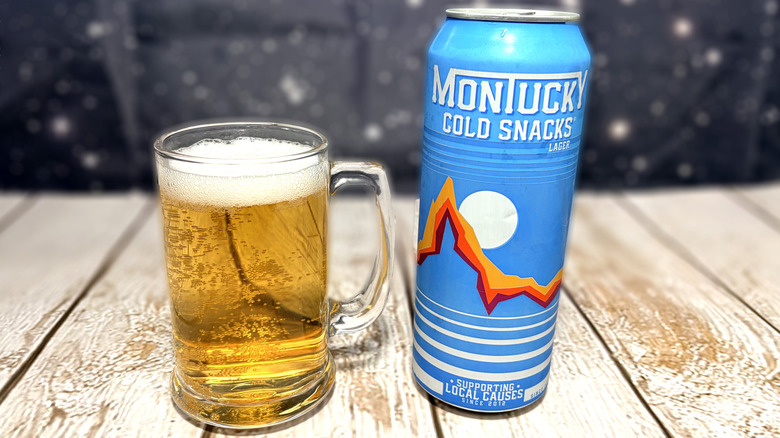
Montucky Cold Snacks is what I imagine beers like Budweiser and Coors wish they were. This is about as crisp, clean, fresh, and lively as an American all-malt lager can be, showing that you don't have to use adjuncts like rice and corn to create a beer of this style that's light on its feet. This lager's not really about flavor, although it has a pleasant cereal note and a tinge of malty sweetness. It's about refreshment.
This isn't the most exciting beer in the world, nor is it meant to be. It is, however, invitingly tasty and balanced and super easy to gulp down. Quite honestly, beers like this usually bore me, but I'd happily reach for a Montucky anytime I feel like a light and refreshing lager to take the edge off. This beer would be the perfect brew for a casual barbecue — keep it cold, and you can't go wrong.
Try: Donna's Pickle Beer
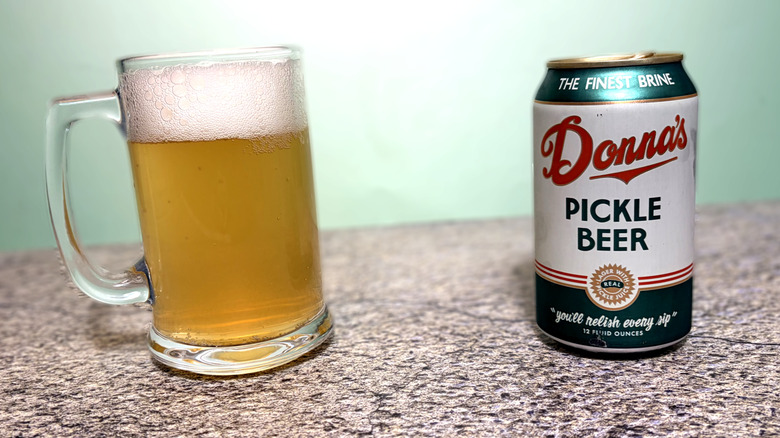
Is Donna's Pickle Beer a beer? I'm not quite sure. I mean, it is a beer, technically. If you look for them, there are some sweet malty grain notes. Up front, it's all dill and garlic and brine, but the palate has a substantial enough texture to differentiate it from drinking straight pickle juice.
This is certainly going to be a divisive brew among beer drinkers, but as someone who obsesses over pickles and always has, Donna's Pickle Beer filled a void I never knew existed in my life. The bready malt dimension makes drinking this beer taste like a pickle sandwich. If that sounds appealing, you'll love Donna's. If not, you'll find it baffling. Personally, I'm a fan. There's something wonderfully refreshing about a salty beer.
Skip: Staropilsen Král Lager
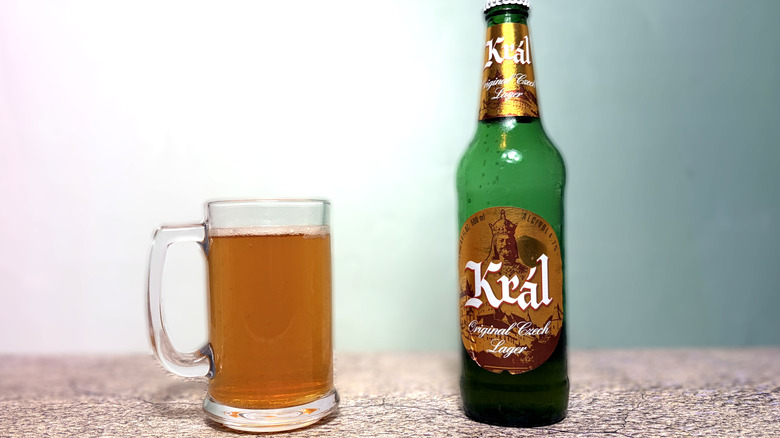
My track record of not enjoying beers that come in green bottles remains unbroken. I'm not sure if my particular Staropilsen Král Lager was a dud, but it poured with almost zero foam and had very little carbonation. I enjoyed the aromatic profile quite a bit, with fresh hay and a light malty sweetness dominating.
That sweetness got a little too overbearing on the palate, unfortunately, an issue exacerbated by the lack of bubbles. Overall, the flavor profile felt stale. A hint of bitterness on the finish kept it from being cloying and completely flat, but it wasn't enough to achieve full balance. I'd be willing to see if this beer fares better from a can, if I can find one, but from the green bottle it's a skip.
Skip: Tsingtao Classic Lager
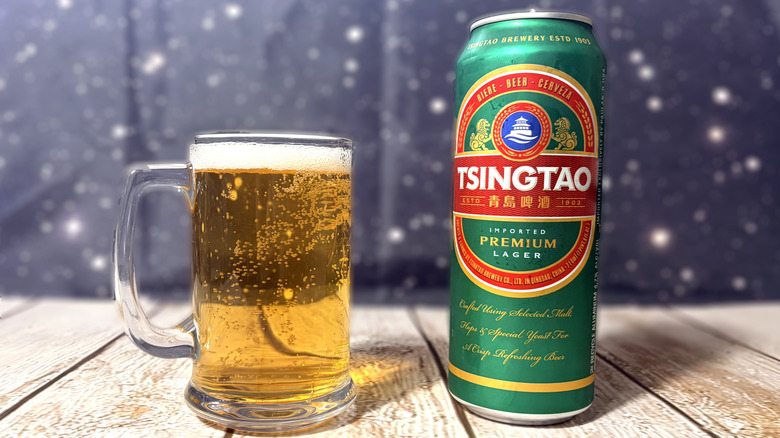
Tsingtao Classic Lager is among the most popular beers brewed in China. The company was started in 1903 by German colonizers, as well as a few British partners, who wanted to emulate the beers from their homeland. It's changed hands many times over its tumultuous century-plus history, eventually becoming a Chinese state-run brewery, and now stands as a massively successful beer brand, both at home and around the world. While Tsingtao's flagship lager certainly has its fans, I can't count myself among them.
This beer had issues from the jump: I detected a hint of isoamyl acetate, an ester responsible for fruity aromas like banana, which shouldn't be present in this style of beer. There's no real flavor here, meaning that any flaw sticks out like a sore thumb. The mouthfeel was also off, starting watery and finishing with a mouth-coating syrupy sensation that I often get from mass-produced adjunct lagers (meaning beers with additional ingredients beyond the malt base — in this case, rice). There's too much wrong with this lager for me to want to try it again.
Skip: Stella Artois Lager
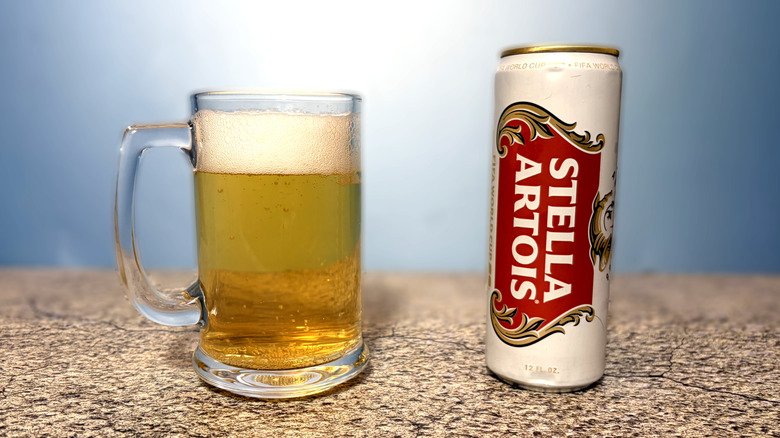
Stella Artois doesn't need me to go to bat for it. This lager is the most well-known beer to come out of Belgium, and among the most popular worldwide. I've enjoyed a Stella myself now and then, and it served its purpose. When I got to it in this tasting exercise, though, I was incredibly underwhelmed.
More than almost any other beer I tried, I struggled to find any character in Stella Artois. There's nothing wrong with it, per se, but there's nothing really going on that's right about it, either. The aromas and flavors are faint, leaving it light and neutral. I guess that inoffensiveness is part of its formula for success, as it will appeal to just about anyone. That's fine, but I'd rather drink a lager that had some small semblance of a personality.
Skip: Sam Adams Boston Lager
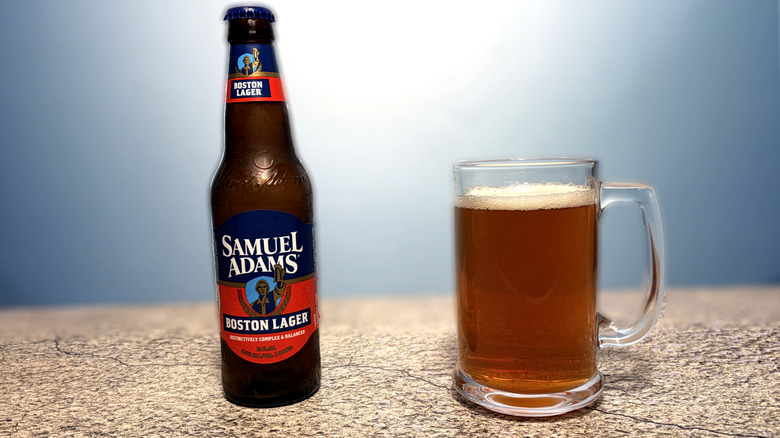
Having spent several years in the Boston area, I've probably drunk more Sam Adams Boston Lager in my life than almost any other beer. That's not because I sought it out wherever I went. That's just how it goes there — you enter into the city limits, and you immediately get handed a Red Sox cap and a pint of Sam (metaphorically, of course). I've always found Sam Adams Boston Lager to be fine, but tasting it here with a critical eye, I realized I'm not this beer's biggest fan.
The company did change the way the beer was brewed in 2023, and it might be that I just prefer the original. The nose on this Vienna-style lager is the high point: complex, richly roasted, with some caramel and bread crust notes; I found it intriguing. The palate is where it lost me. It seemed more bitter than I remember, with a lighter mouthfeel, leaving it feeling textureless. Most of the roasted malt flavor gets drowned out by the unbalanced bitter finish. They may not let me back into Boston after this, but I can't say I'd pick this lager up again.
Skip: Coors Banquet Lager
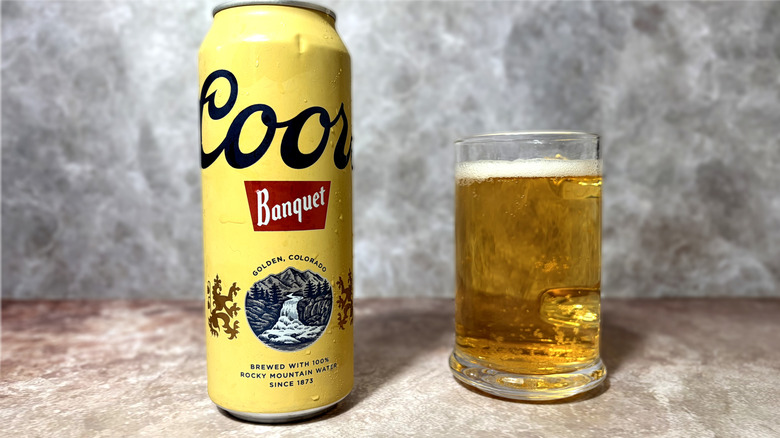
Speaking of macrobrewed lagers, Coors Banquet lager was recommended to me by several friends as one of the best mass-produced domestic lagers. It's certainly not the worst I've ever had, but it doesn't have enough above-average, or frankly even just average, characteristics to get me excited to drink it again.
There's nothing particularly off-putting about this brew from Coors. It's just bland and watery, with virtually no foam or body, so it doesn't make much of an impression. There's some maltiness if you really try to find it, but that's about it. I'm fine with a simple lager, but it has to bring something to the table, and I couldn't find anything about this beer to latch onto.
Skip: Budweiser
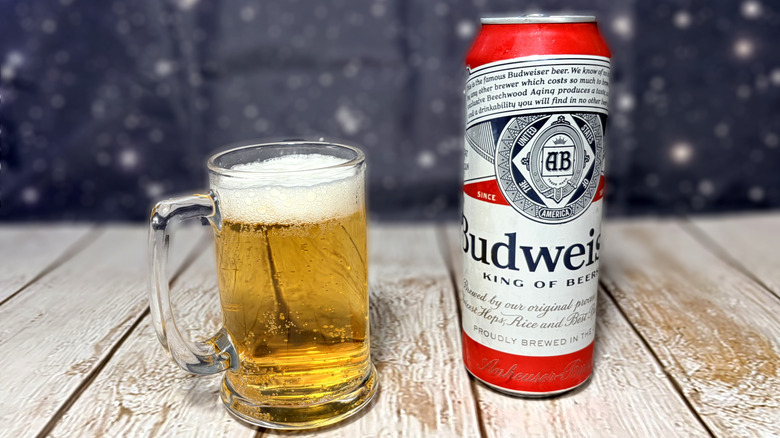
As far as American lagers go, Budweiser is arguably the most iconic. The red, white, and blue can, the Clydesdales, the slogan — "this Bud's for you" — all of this is woven into the fabric of American culture. The beer itself, though, leaves a lot to be desired, even for a mass-produced adjunct lager, a style for which I have fairly low expectations.
Along with Tsingtao's lager, Budweiser left a cloying, slightly syrupy coating on my palate. Both beers include rice as the main adjunct, and perhaps there's a commonality in the way they both process that ingredient that creates this similar sensation. Whatever the cause, it keeps me from wanting to take another sip. Without that quality, it'd be a slightly sweet, fairly one-note beer, but with it, I found it unpleasant.
Methodology
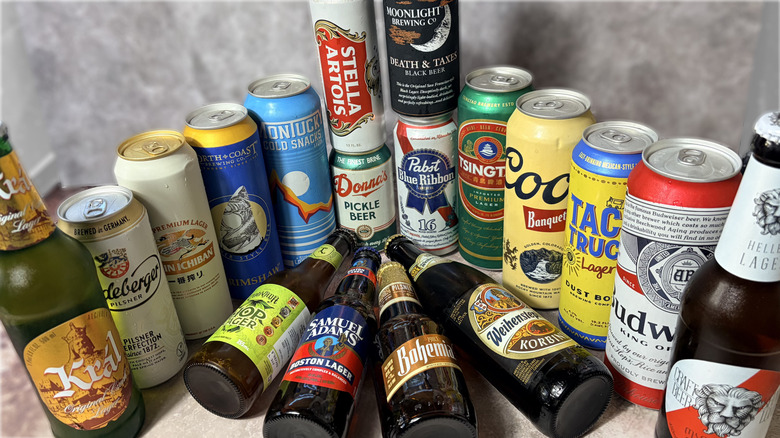
I worked for many years as a bartender and beverage manager, and for much of that time I was in craft beer-focused establishments. I'm also a certified beer server and sommelier, and I utilized all of that experience and knowledge here. First, I selected which lagers to include. I chose beers from around the world to represent as many countries and styles as I could to showcase the variety that exists within the lager category.
Once the beers were selected and purchased, I tasted them all one by one and used a formal beer tasting grid to assess each one as technically as possible, visually, aromatically, and structurally. I used the style guidelines from both the Brewers Association and the Beer Judge Certification Program to assess each beer and how well it exemplified its specific style.